-
 Courier delivery
-
 Warranty 1 year
-
 Free 30-Day returns

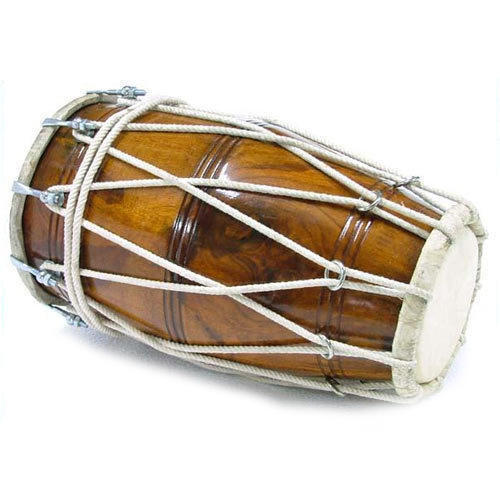
The Dholak is a drum with two heads. The heads at each end are bigger than the head in the middle. The bigger drumhead on one side makes low tones, and the smaller drumhead on the other side makes high tones.
The Dholak’s body is usually made of wood and is artfully cut or covered with elaborate patterns that show Nepal’s culture and artistic history. In traditional drums, the heads are made of animal skin that is stretched tight and attached to the wooden frame with straps or tension bands.
This traditional Nepalese percussion instrument is often played in folk music, culture shows, and celebrations. Nepal has a rich and varied musical heritage, and the Wooden Dholak’s regular beats and range of tones add depth and life to musical works and cultural celebrations.
Wooden Dholak Features;
- Material: Crafted primarily from wood, showcasing intricate designs and carvings.
- Double-Headed Design: Two drumheads – one larger for bass tones and one smaller for higher-pitched sounds.
- Drumhead Material: Traditionally made of animal skin (goat or buffalo), tightly stretched over the wooden frame.
- Tension Ropes/Straps: Used to secure the drumheads, allowing adjustment for desired tones.
- Decorative Elements: Often adorned with colorful designs or ornate carvings on the wooden body.
- Versatility: Used in various musical contexts – folk music, cultural performances, and celebrations.
- Rhythmic Contribution: Its beats add liveliness and depth to Nepali music performances and festivities.
With the commitment to provide top-notch customer service at a competitive price, Audio Shop Nepal is the go-to destination for many audio enthusiasts in Nepal looking to purchase traditional instrument products.