


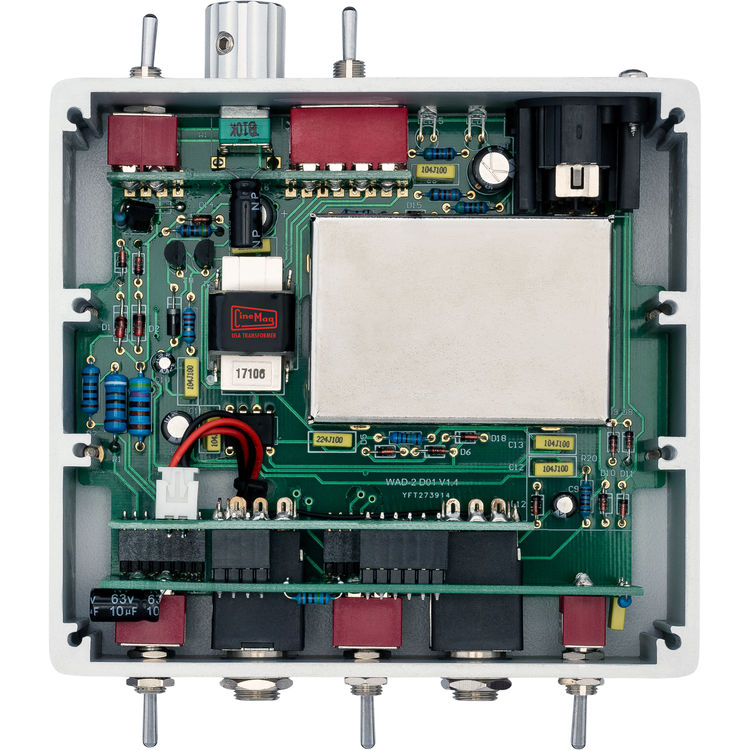

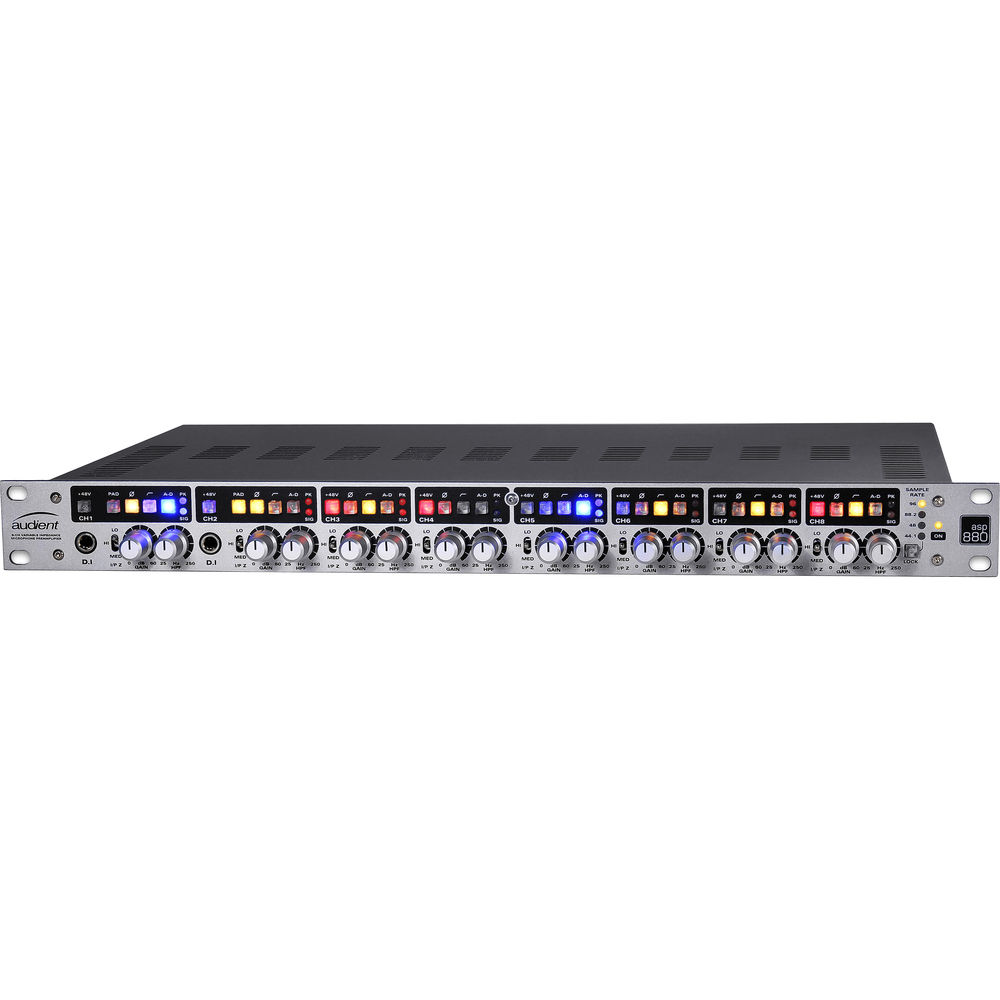
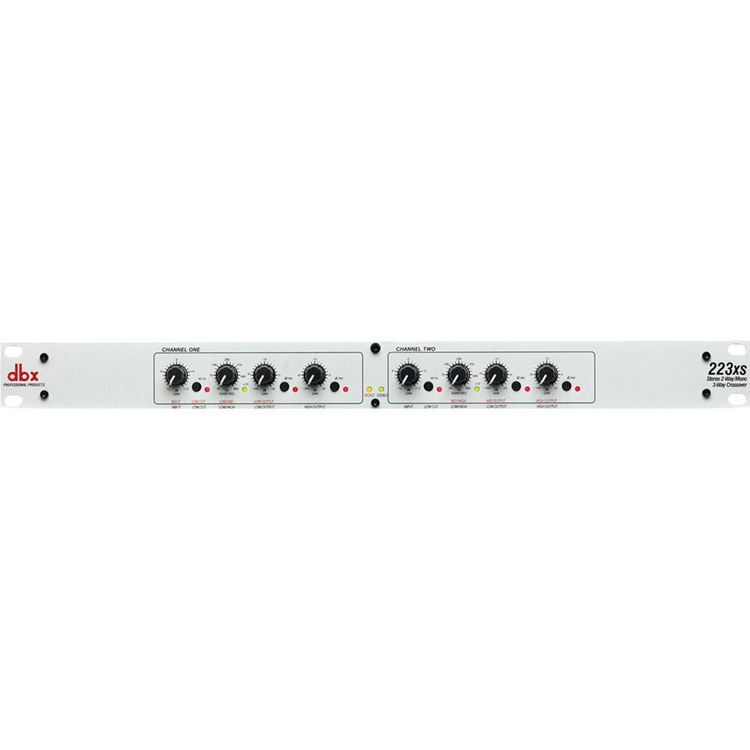
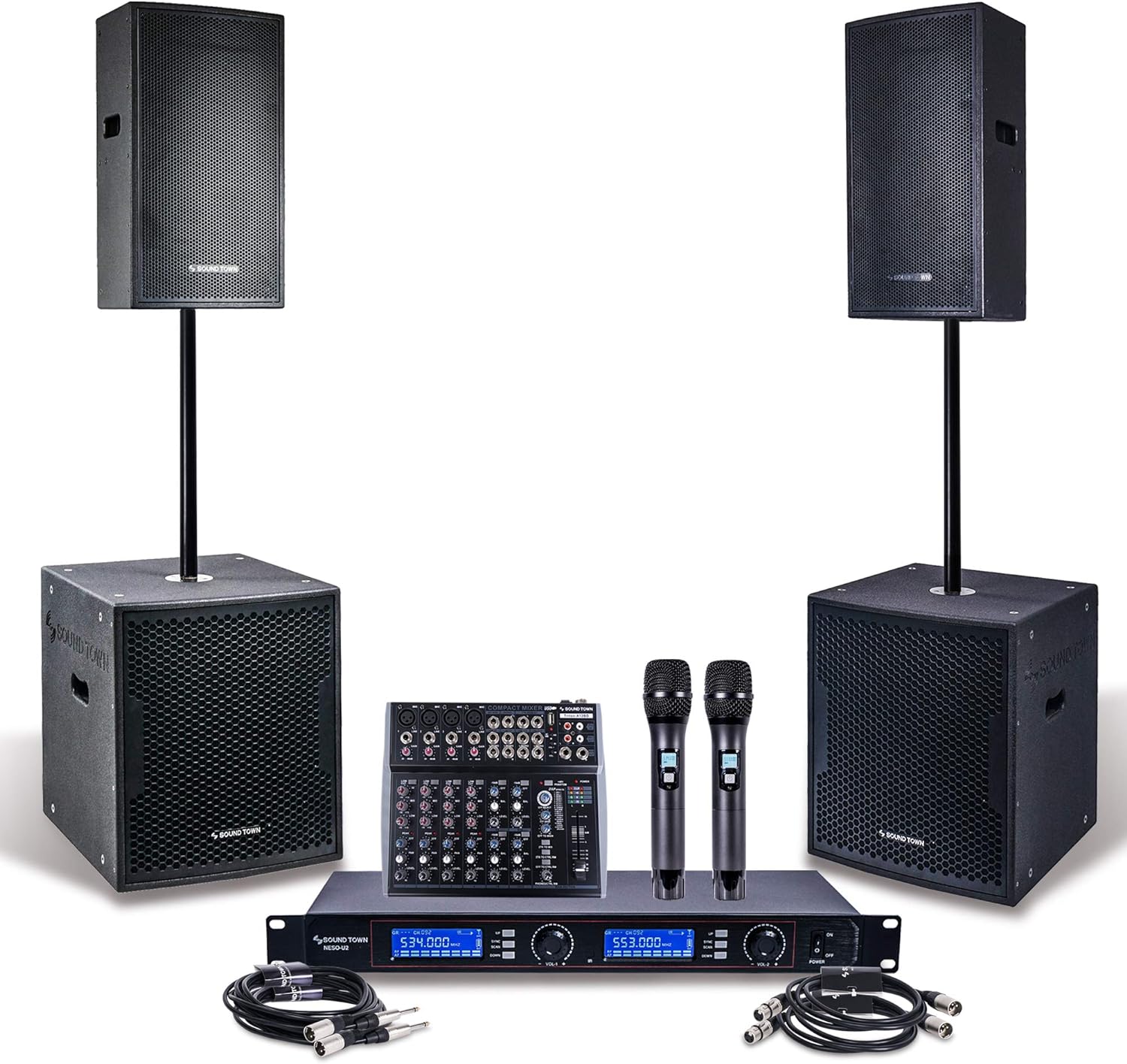
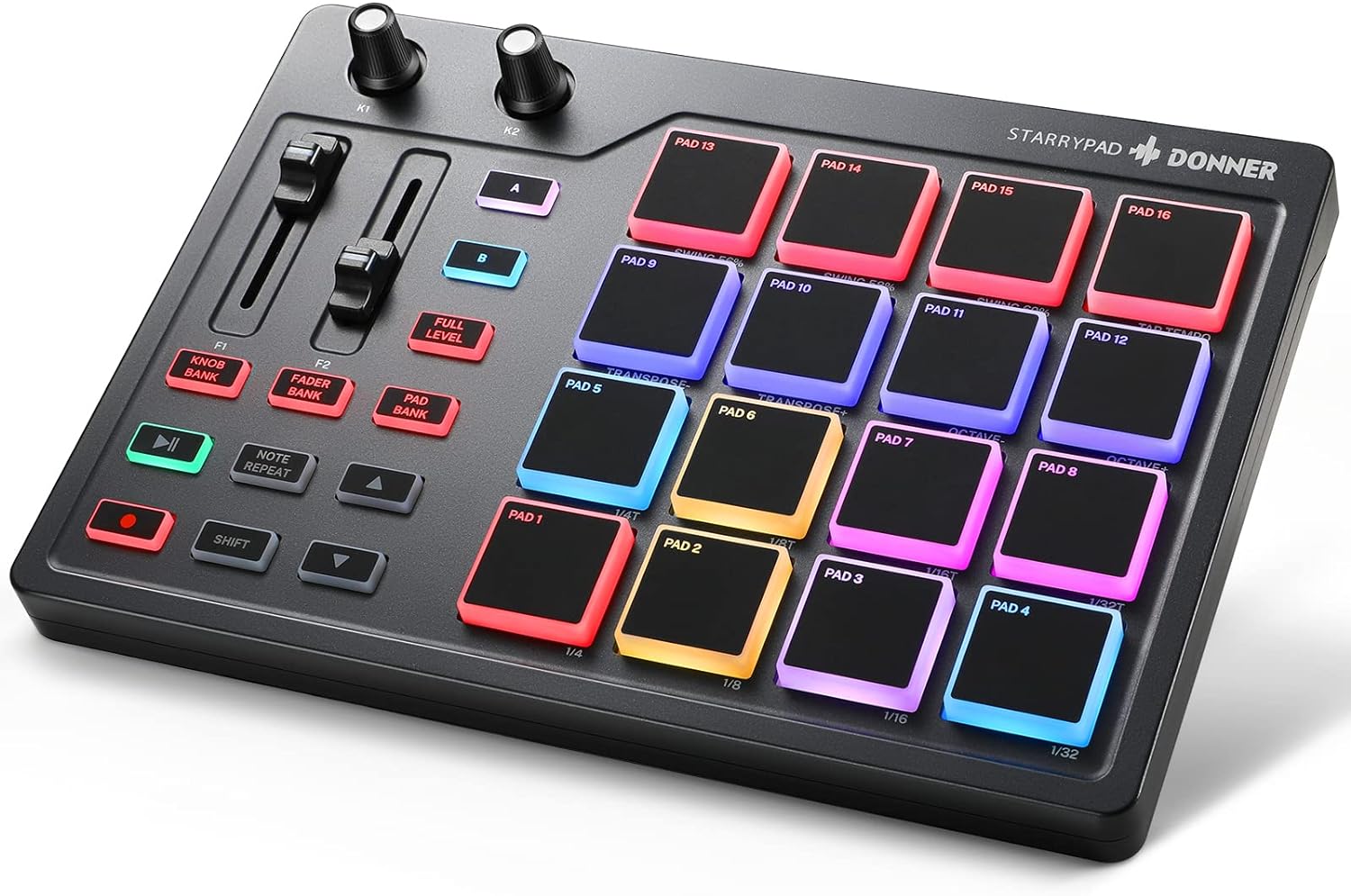
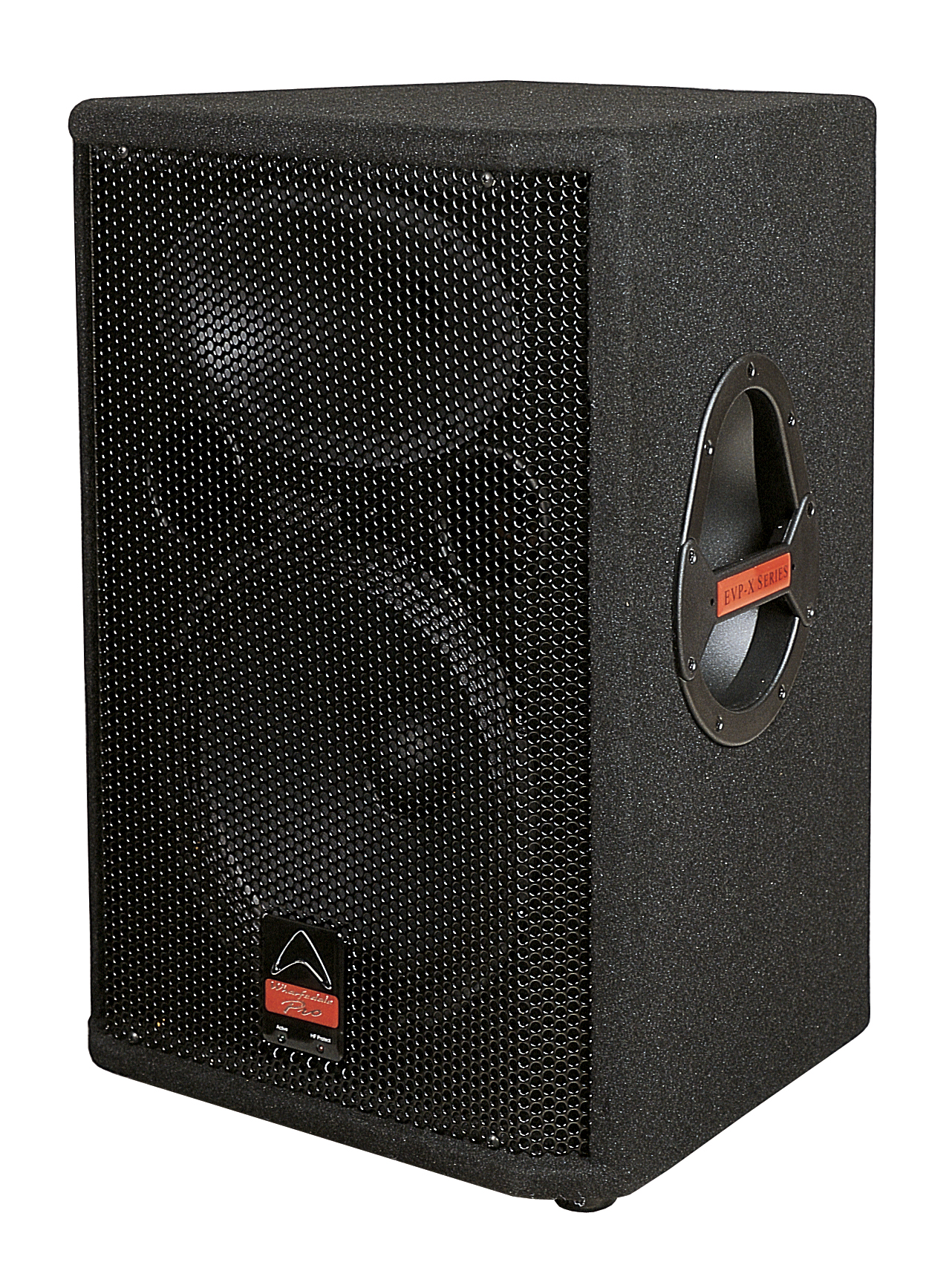


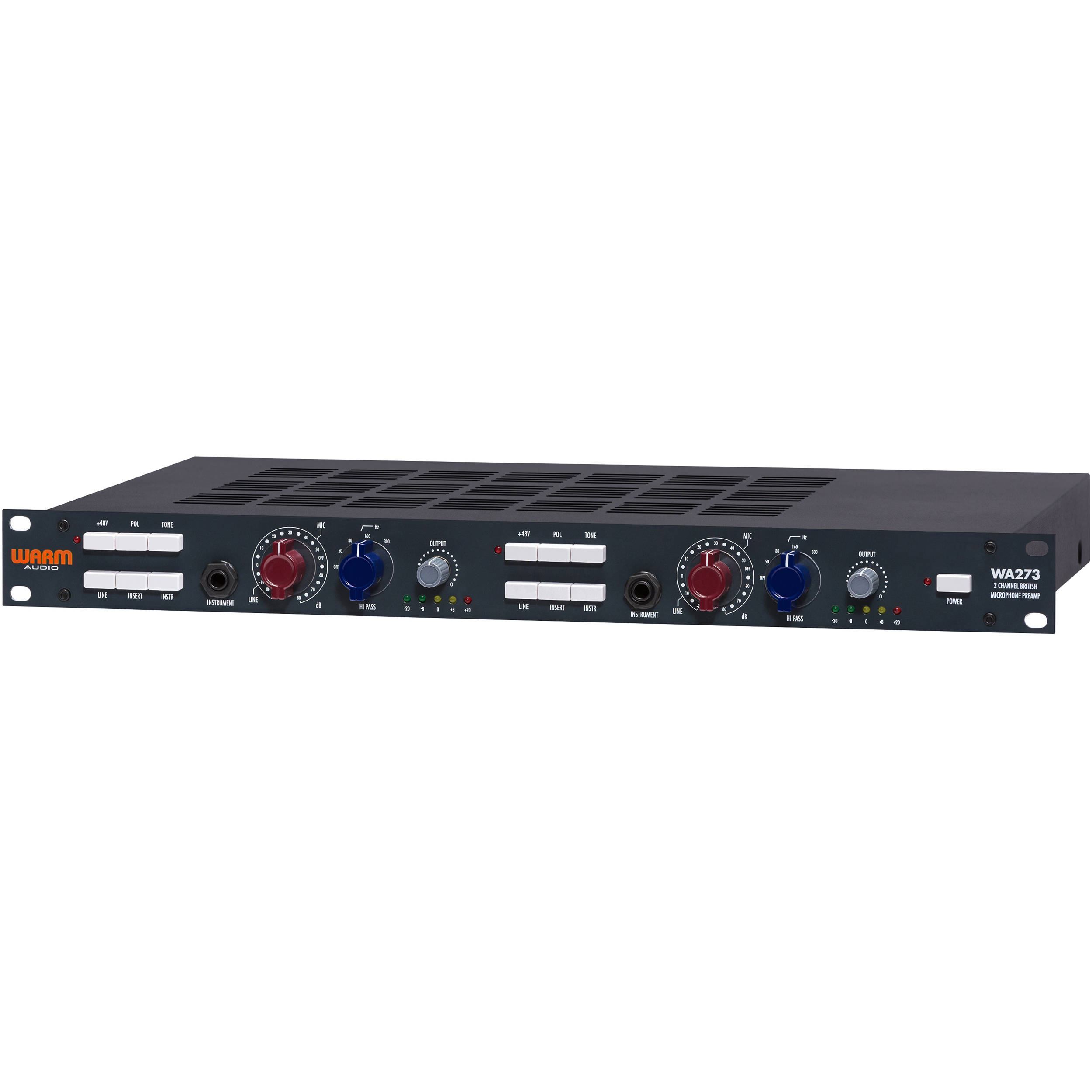

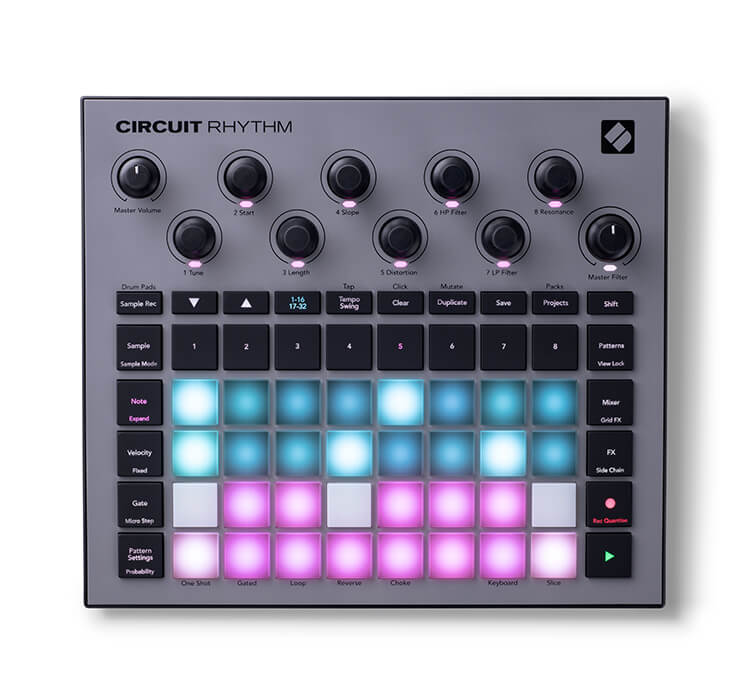
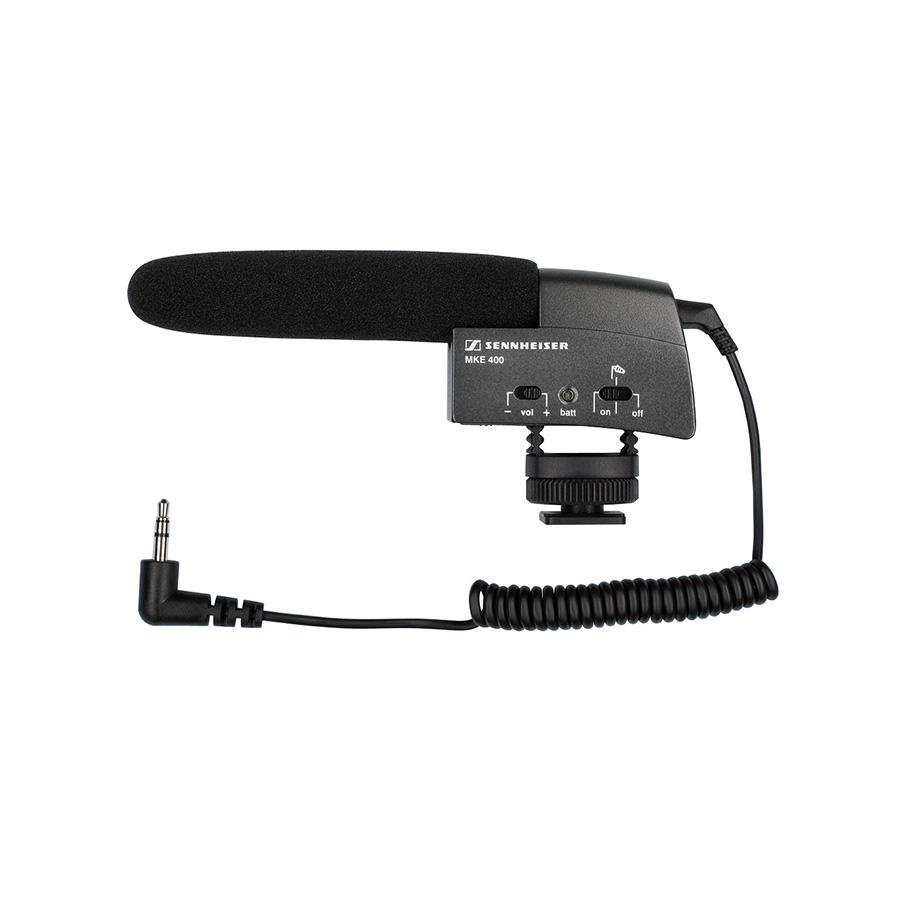
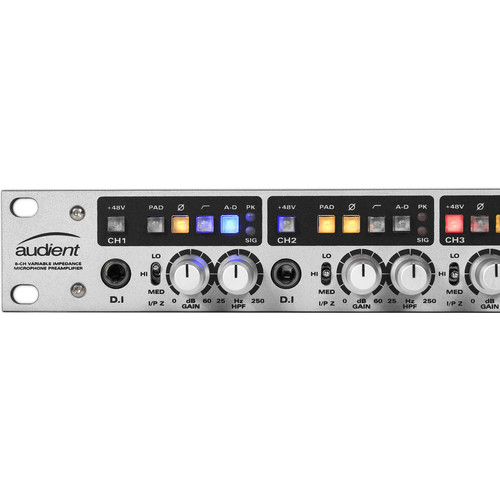
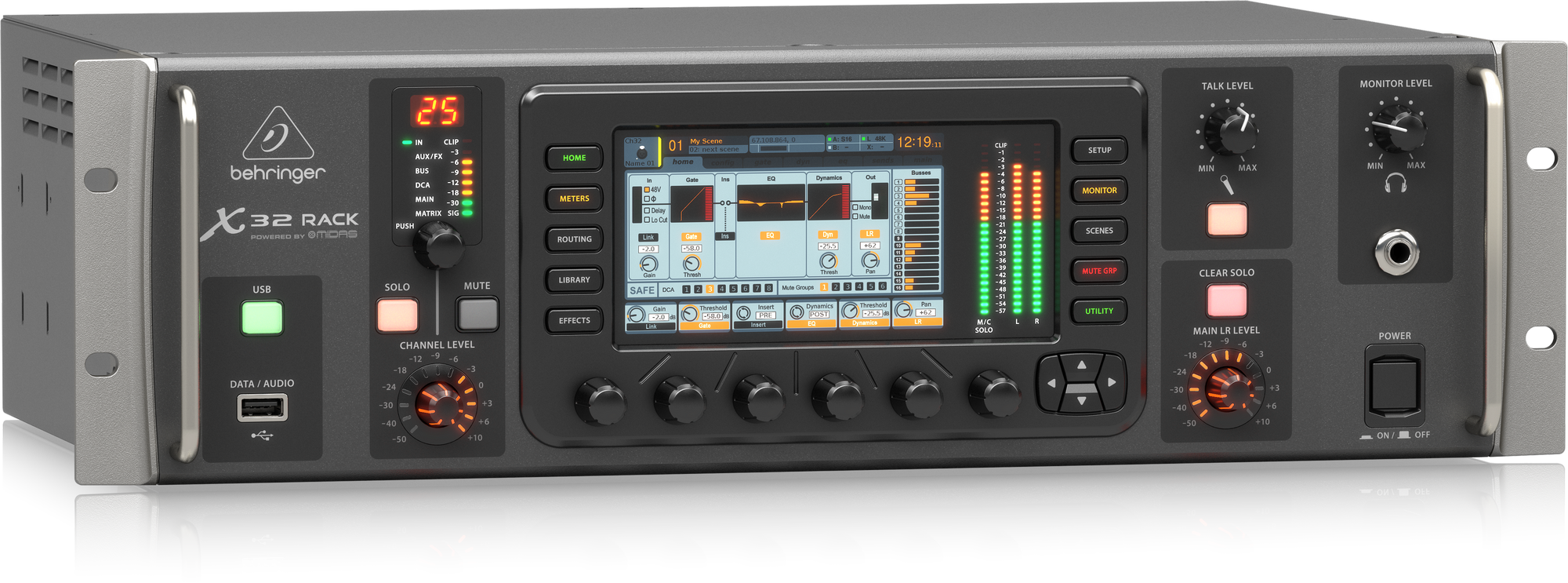
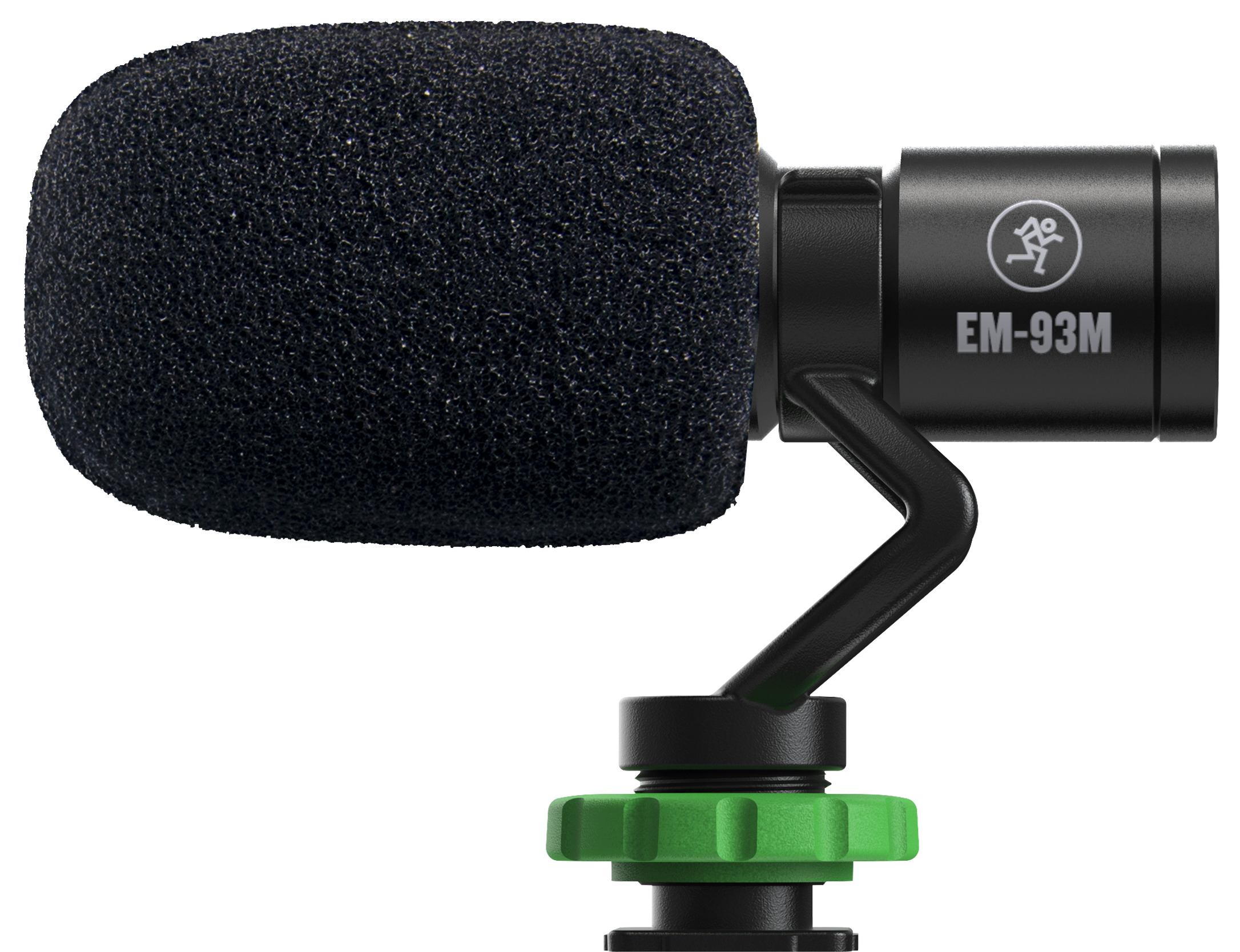
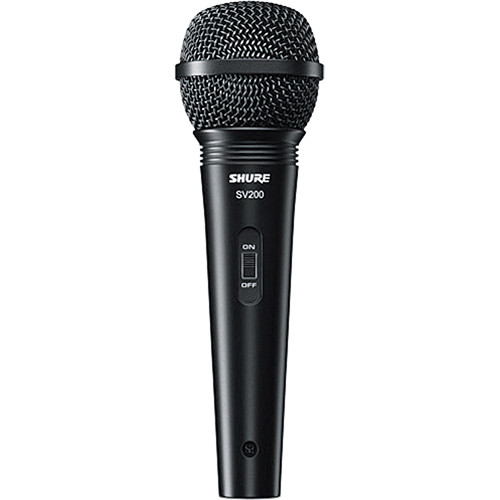
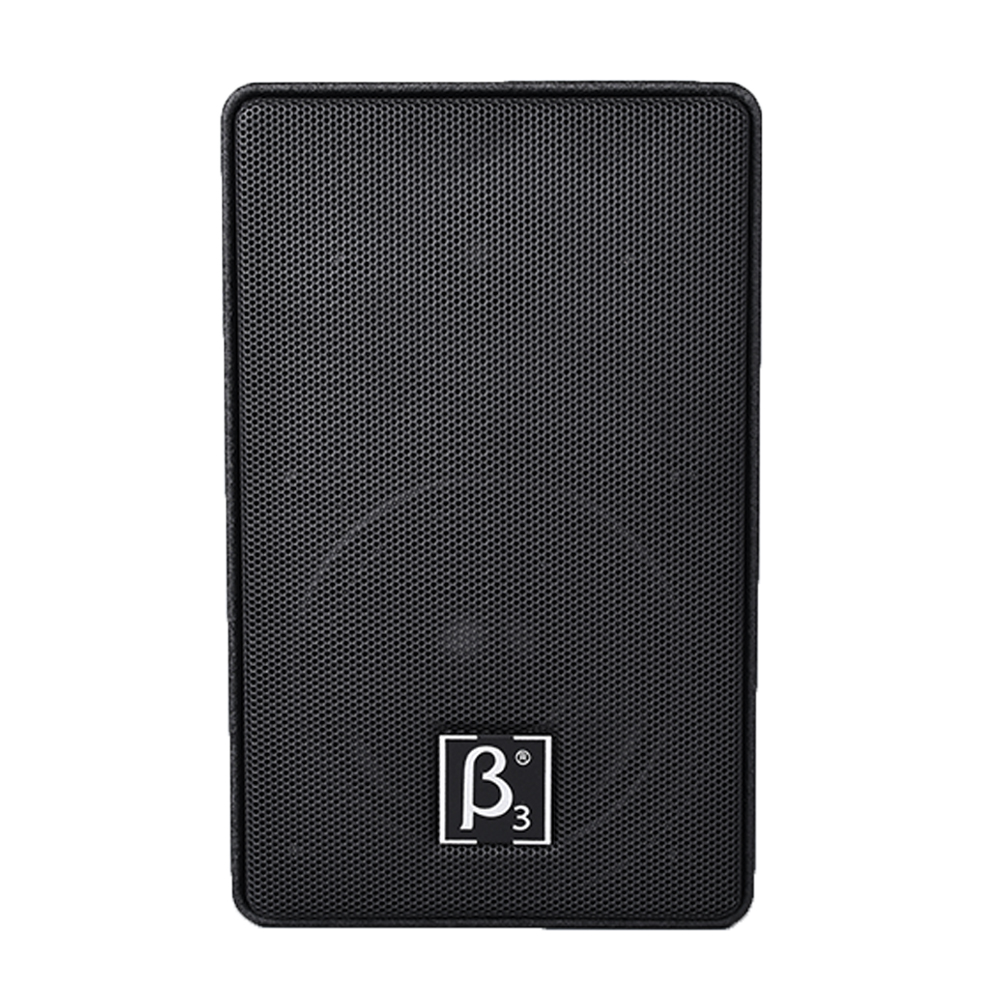
Dual Mono Mic Preamp
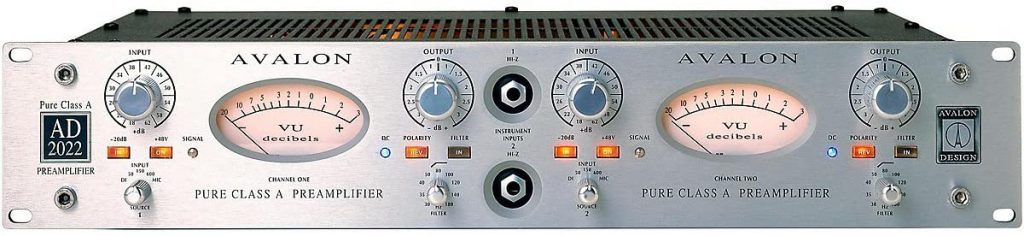
- ad2022 preamp Specifications
- Circuit topology: individual cascode FET and bipolar low level signal boosters
- High Voltage, 100% Discrete, Class A Symmetric Pure
- Load selection input type and load input: Balanced low-ratio transformer, 50, 150, 600 and 1 K5 Ohm
Dual DI-RE-Mic Preamplifier
- Dual Mono, pure Class A, 100% discrete design
- Forward musical detail and sonic excellence
- Minimum audio signal path with 10 position extended range TONE-BANK
- High-quality transformer input & isolated output
- Microphone and Hi-Z inputs to +36 dB
- Very low noise -100 dB
- High headroom +30 dB
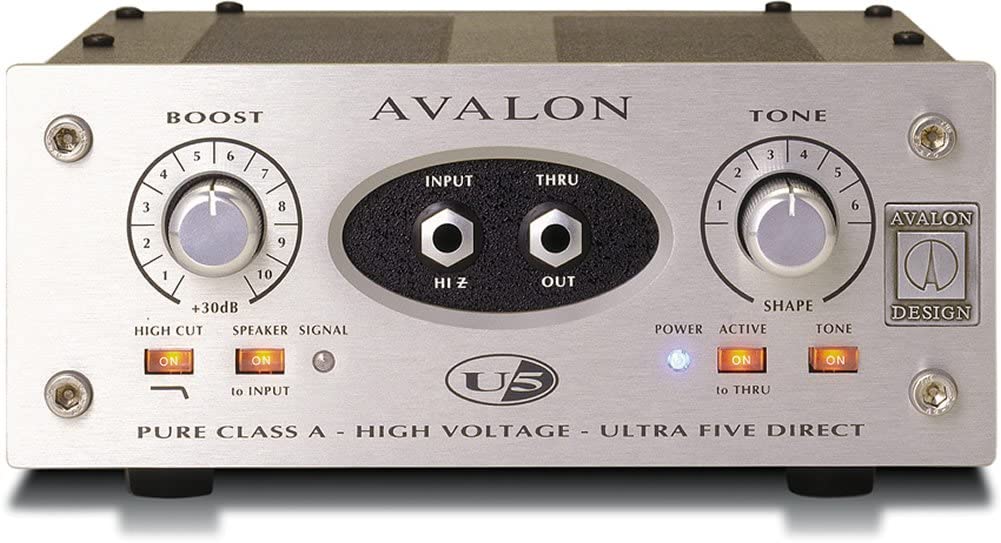
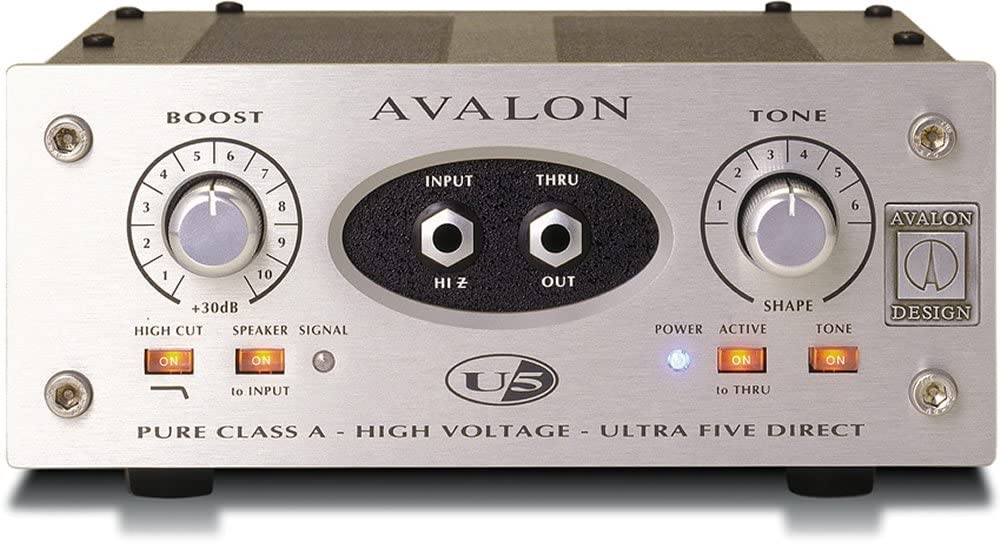
Mono DI-RE-Mic Preamplifier
- Class A, 100% unobtrusive pure design for smooth musical detail and sonic excellence
- Preamp at +30 dB variable gain
- Two microphone and line outputs, Hi-Z 3,000,000 ohms Input impedance
- DC coupled with class A output for superior bass
- High cut switch eliminates noise
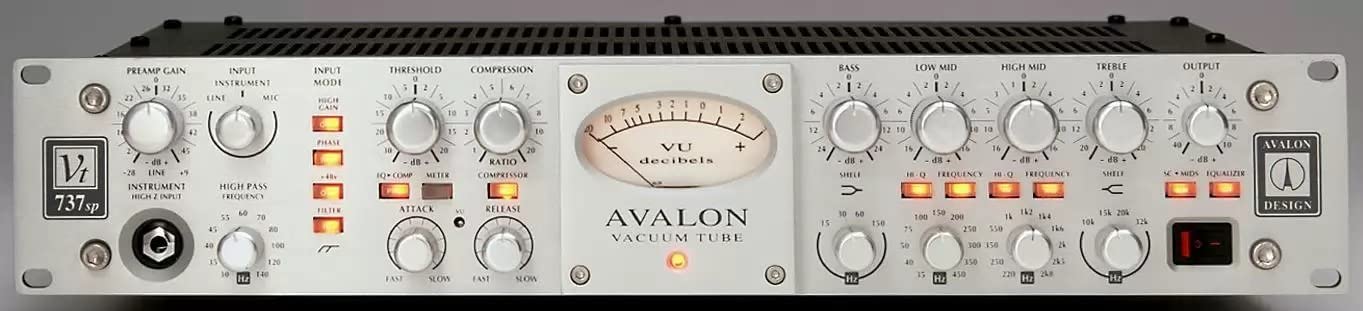
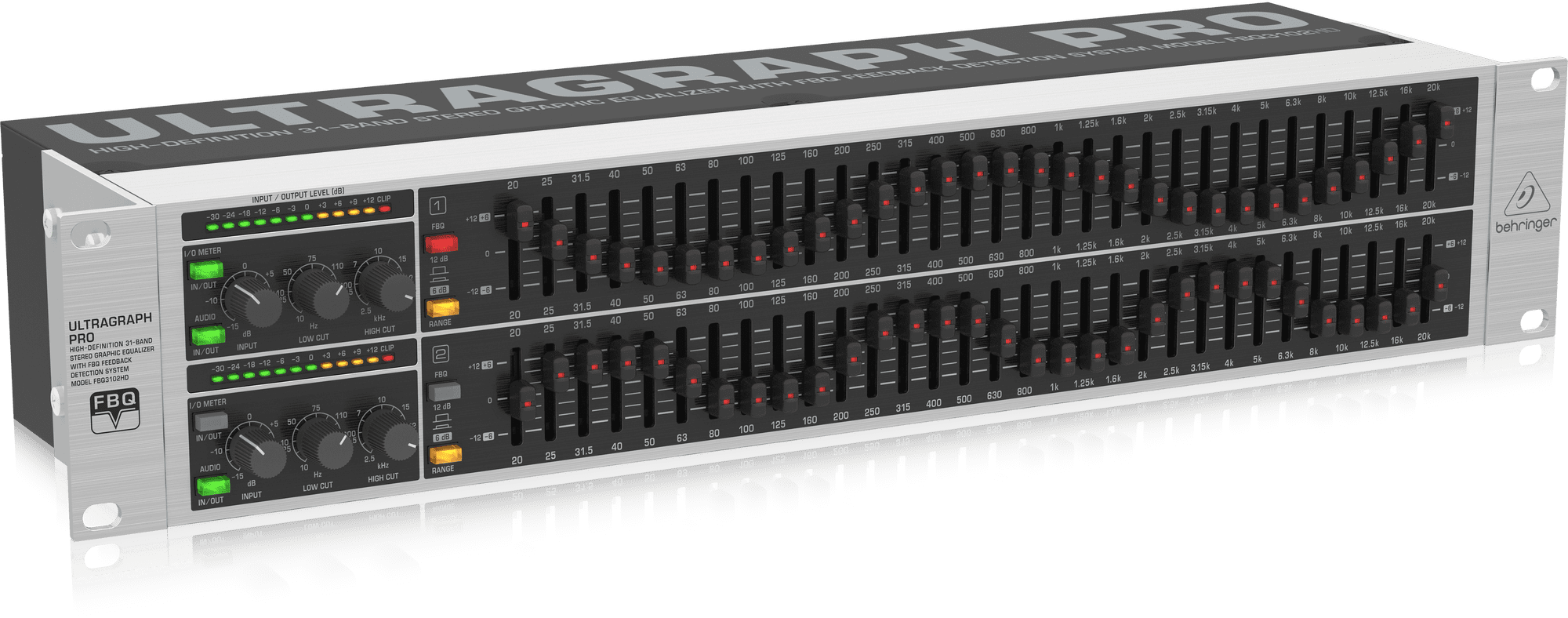
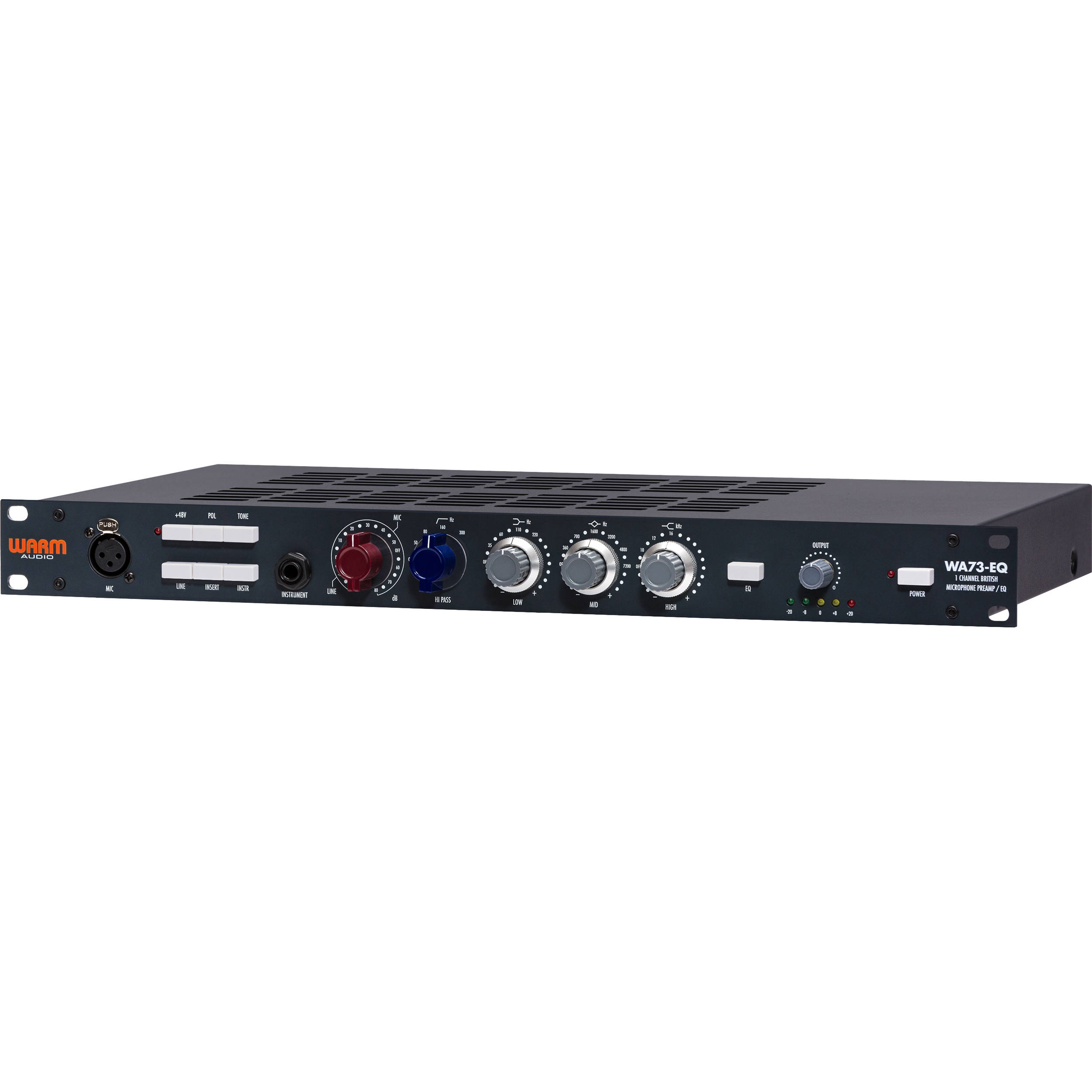
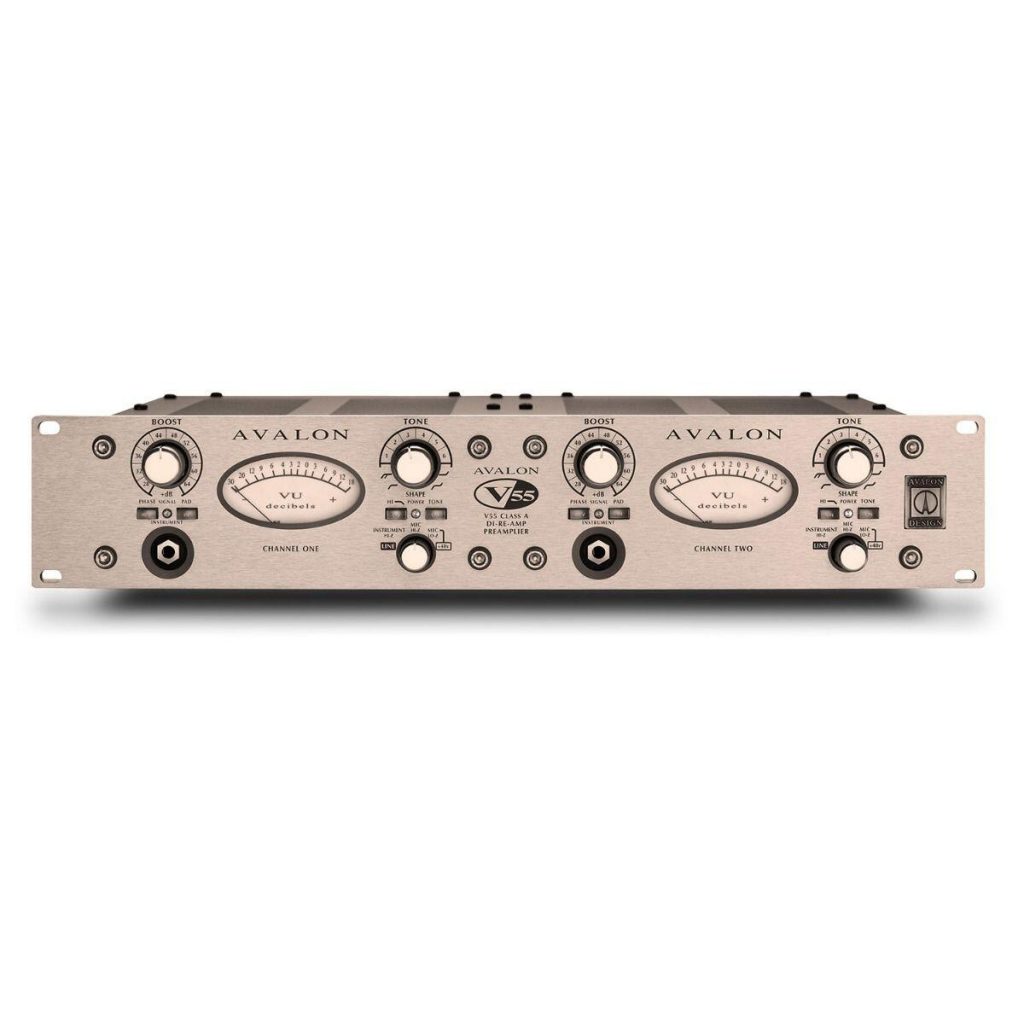
Mono Preamp/Comp./Eq.
- Circuit topology Four dual triode vacuum tubes (Sovtek 6922), high-voltage discrete Class A
- Gain Range Microphone: Transformer balanced 850/2500 ohm, 0dB to +58dB Instrument:
- Maximum input level and connector types Microphone26dB@25Hz, +30dB@1kHz balanced XLR
- Line +36dB balanced XLR
- Maximum output level +30dB balanced 600 ohms, DC coupled, discrete Class A
- Instrument+30dB unbalanced front panel jack socket
Mono Instr.D.I.Preamp
- Class A, 100% unobtrusive pure design for smooth musical detail and sonic excellence
- Preamp at +30 dB variable gain
- Two microphone and line outputs, Hi-Z 3,000,000 ohms Input impedance
- DC coupled with class A output for superior bass
- High cut switch eliminates noise
Online store of household appliances and electronics
Then the question arises: where’s the content? Not there yet? That’s not so bad, there’s dummy copy to the rescue. But worse, what if the fish doesn’t fit in the can, the foot’s to big for the boot? Or to small? To short sentences, to many headings, images too large for the proposed design, or too small, or they fit in but it looks iffy for reasons.
A client that’s unhappy for a reason is a problem, a client that’s unhappy though he or her can’t quite put a finger on it is worse. Chances are there wasn’t collaboration, communication, and checkpoints, there wasn’t a process agreed upon or specified with the granularity required. It’s content strategy gone awry right from the start. If that’s what you think how bout the other way around? How can you evaluate content without design? No typography, no colors, no layout, no styles, all those things that convey the important signals that go beyond the mere textual, hierarchies of information, weight, emphasis, oblique stresses, priorities, all those subtle cues that also have visual and emotional appeal to the reader.